
USDC Price Drop Explained: Key Factors Behind the Recent Decline
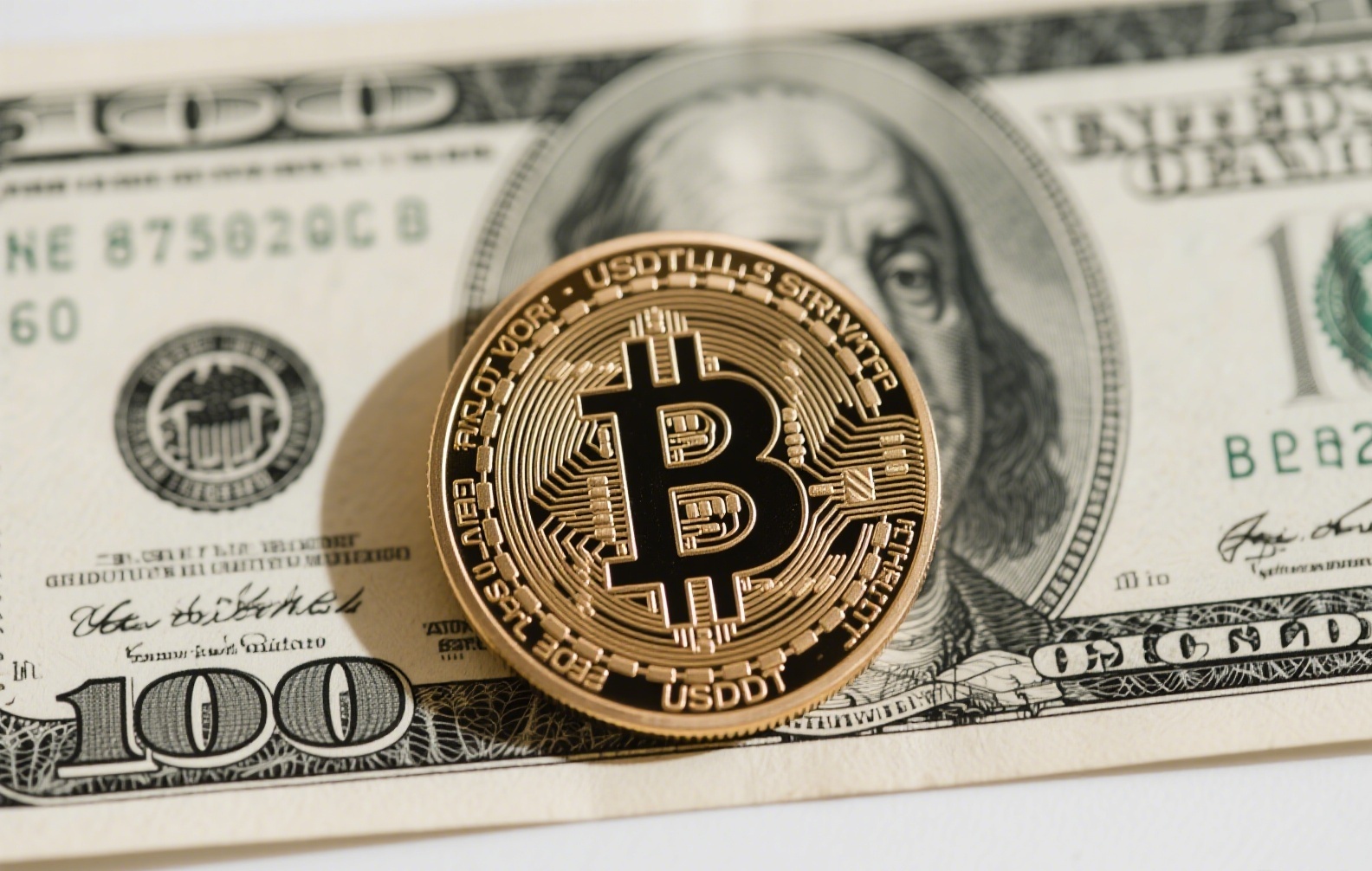
The recent noticeable drop in the value of USD Coin (USDC), a leading stablecoin pegged to the U.S. dollar, has raised significant questions within the cryptocurrency community. Unlike volatile cryptocurrencies, stablecoins like USDC are designed to maintain a steady value, typically $1.00. Therefore, any deviation from this peg is a critical event. The primary reason behind USDC's drop stems from market concerns regarding the composition and liquidity of the reserves backing the token. Specifically, fears emerged about the exposure of its reserves to assets affected by broader banking instability or financial sector stress, leading to a temporary loss of confidence.
This decline is often triggered by a combination of technical and psychological factors. On a technical level, if holders rush to redeem large volumes of USDC simultaneously, it can create sell-side pressure on exchanges, momentarily pushing the market price below its $1 peg. This can be exacerbated by automated trading algorithms. Psychologically, news or rumors about the solvency of institutions holding the reserve assets can spark panic selling. Even if the underlying reserves are ultimately sound, the perception of risk can cause a de-pegging event as traders and decentralized finance (DeFi) protocols react swiftly to minimize potential losses.
Furthermore, the broader context of the cryptocurrency market and regulatory environment plays a crucial role. During periods of high market volatility or bearish trends, investors often seek the safest havens. Any doubt about a stablecoin's stability can cause a flight to perceived more secure assets, including other stablecoins or even fiat currency. Regulatory announcements or scrutiny concerning stablecoin issuers can also impact confidence. The drop in USDC highlights the inherent, though typically low, risks in the stablecoin ecosystem—risks tied to centralized custody, asset management, and transparency of reserves.
In response to such events, the issuing entity, Circle, typically takes steps to reassure the market by providing attestations about its reserves and operational integrity. Historically, USDC has successfully regained its peg after such pressures subside, demonstrating the mechanisms in place to handle redemptions. However, each event serves as a reminder that even assets designed for stability are not entirely immune to market forces and confidence crises. For users, understanding that stablecoins operate within a complex framework of trust, liquidity, and regulation is essential for navigating the digital asset space.

发表评论